How to Reconstitute a Lyophilized Peptide: A Researcher's Guide
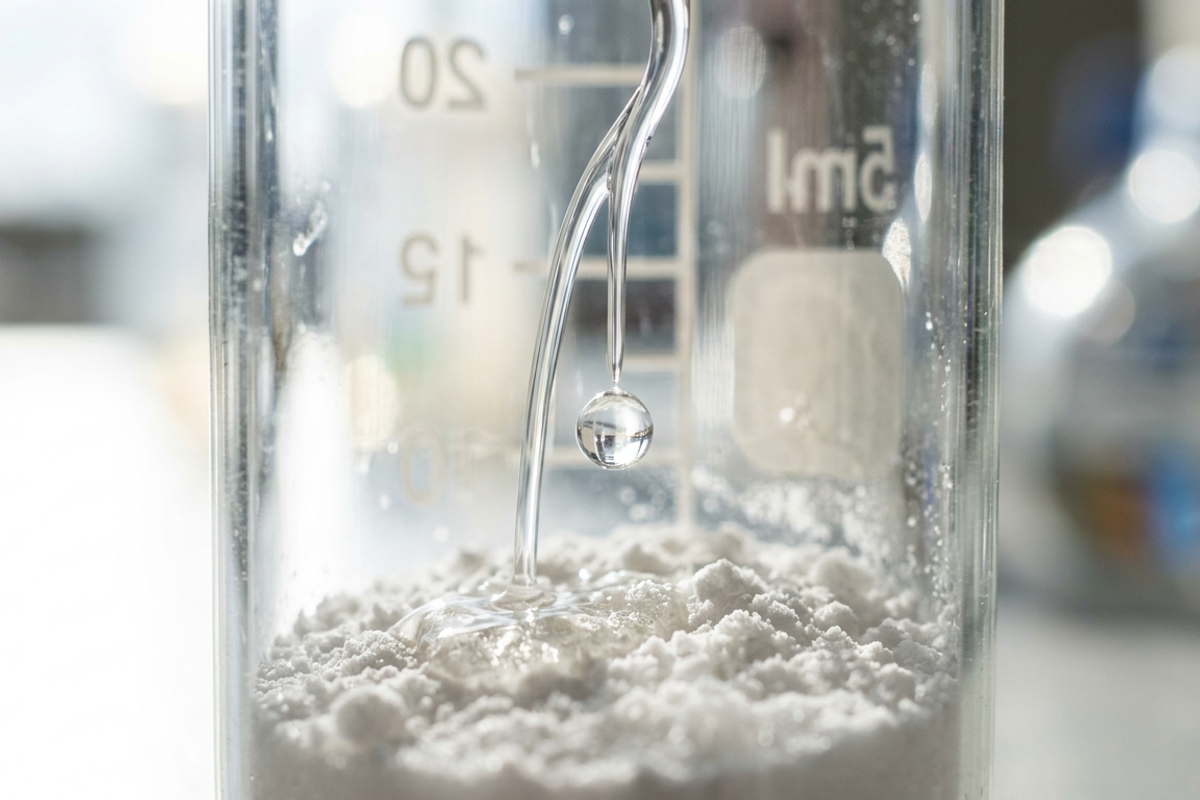
Reconstituting a lyophilized peptide means returning the freeze-dried powder to a liquid by adding a sterile diluent — almost always bacteriostatic water — using careful, aseptic technique. The core principles are simple: add the diluent slowly down the inside wall of the vial, swirl gently rather than shake, keep everything sterile, and refrigerate the result. Done right, reconstitution is quick and undramatic; done carelessly, it introduces contamination or mechanical stress that can compromise the material.
This guide covers the technique and principles of reconstitution for laboratory research. It does not provide volumes, ratios, or concentrations — those depend on a specific research protocol, and we never publish dosing or amounts.
What "Reconstitution" Actually Means
A research peptide is shipped lyophilized (freeze-dried) because it is far more stable as a dry powder than in solution — degradation pathways like hydrolysis need water to proceed. Reconstitution simply reintroduces water so the material can be handled in the lab. The moment you do, the stability clock restarts, which is why technique and storage matter.
- Lyophilized powder = shelf-stable, long storage life
- Reconstituted solution = short working life, must stay cold
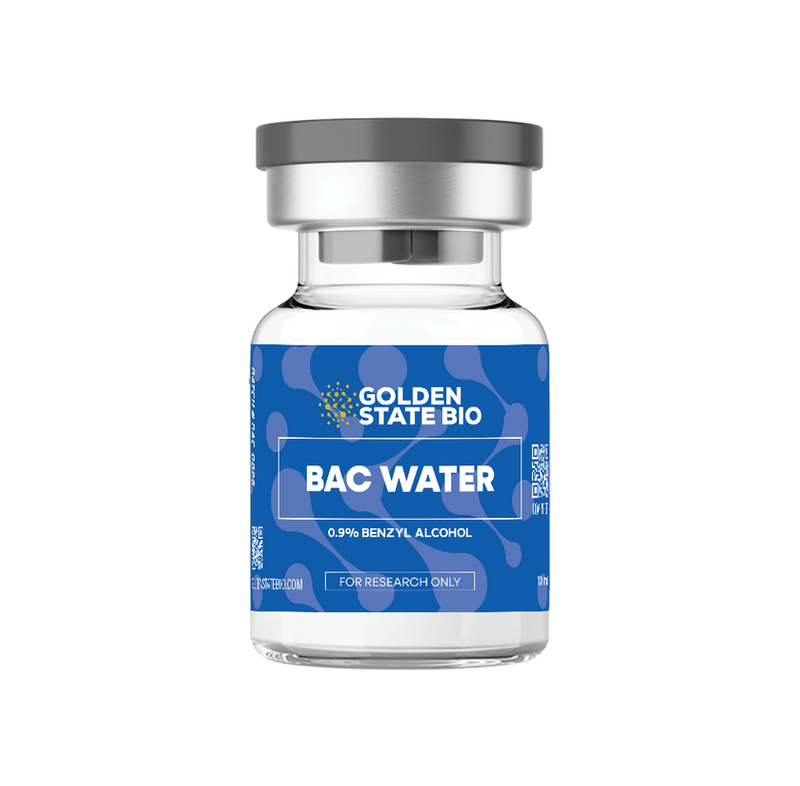
- Diluent of choice for multi-use vials = bacteriostatic water (0.9% benzyl alcohol inhibits microbial growth)
The Supplies
Good reconstitution starts with the right, sterile supplies laid out cleanly before you begin.
- The lyophilized peptide vial
- Bacteriostatic water (not tap water, and preferably not plain sterile water for a multi-use vial)
- Alcohol prep pads
- A sterile syringe for transferring the diluent
- A clean, uncluttered work surface

The Technique (Principles, Not Amounts)
The "how" matters more than most people expect. Peptides are delicate, and the two things that hurt them here are contamination and mechanical shock.
- Wipe every stopper. Swab the rubber stopper of both the peptide vial and the water vial with an alcohol pad before inserting anything.
- Add the diluent slowly, down the wall. Aim the stream against the inside glass wall so it runs down gently onto the powder — never blast it directly onto the peptide.
- Swirl, don't shake. Let it dissolve with a slow, gentle swirl or by letting it sit. Shaking creates foam and mechanical stress. (Surface foam from agitation is cosmetic, but it's a sign you were too rough.)
- Let it fully dissolve into a clear solution before use. Persistent cloudiness or visible particulate is a reason to stop and check the lot.
- Refrigerate immediately after reconstitution.
After Reconstitution: Storage
Once mixed, the vial is a short-shelf-life item. Refrigerate at 36–46°F, wipe the stopper before each draw, minimize the number of punctures, and never freeze a reconstituted vial — freeze-thaw cycling physically stresses the peptide. Freezing is a strategy for dry powder (stored at -4°F), not for solution.

Common Mistakes
- Using tap water or plain sterile water for a multi-use vial instead of bacteriostatic water
- Injecting the diluent stream straight onto the powder
- Shaking the vial to "speed it up"
- Leaving the reconstituted vial at room temperature
- Freezing the mixed solution
Frequently Asked Questions
What does it mean to reconstitute a peptide?
It means turning the freeze-dried (lyophilized) powder back into a liquid by adding a sterile diluent — usually bacteriostatic water — with aseptic technique. Peptides ship dry because they're more stable that way; reconstitution prepares them for laboratory handling.
What water should I use to reconstitute a peptide?
For a multi-use vial, bacteriostatic water is the standard choice because its 0.9% benzyl alcohol inhibits microbial growth over repeated access. Plain sterile water has no preservative, and tap water should never be used — it's neither sterile nor preserved.
Why add the water slowly and swirl instead of shake?
Peptides are mechanically delicate. Running the diluent gently down the vial wall and swirling avoids the foaming and shear stress that vigorous shaking causes. Foam itself is cosmetic, but it signals rough handling that's best avoided.
How should I store a reconstituted peptide?
Refrigerate it at 36–46°F, wipe the stopper before each draw, and minimize punctures. Don't freeze a reconstituted vial — freeze-thaw cycling can reduce potency. Keep freezing (-4°F) for dry powder only. This is storage guidance for research supplies, not medical advice.
Does reconstitution shorten shelf life?
Yes. A dry powder is shelf-stable, but adding water restarts the degradation clock, so a reconstituted vial has a far shorter working life — commonly cited on the order of ~28 days refrigerated. Keep it cold and clean.
References
Peer-reviewed research and recognized standards that support the statements above. We cite primary sources so you can verify the science yourself. These references are provided for research context only and are not medical advice.
- Lai MC, Topp EM. Solid-state chemical stability of proteins and peptides. J Pharm Sci. 1999;88(5):489–500 View source →
- Meyer BK, Ni A, Hu B, Shi L. Antimicrobial preservative use in parenteral products: past and present. J Pharm Sci. 2007;96(12):3155–3167. PMID 17722087 View source →
- Maurer J, Grouzmann E, Eugster PJ. Tutorial review for peptide assays: an ounce of pre-analytics is worth a pound of cure. J Chromatogr B. 2023. PMID 37832388 View source →
FOR LABORATORY AND RESEARCH USE ONLY. Golden State Bio supplies research-use-only chemicals for qualified researchers. Not for human or veterinary use; not evaluated by the FDA. Nothing here is medical advice.