KPV Peptide: The Anti-Inflammatory Tripeptide from α-MSH
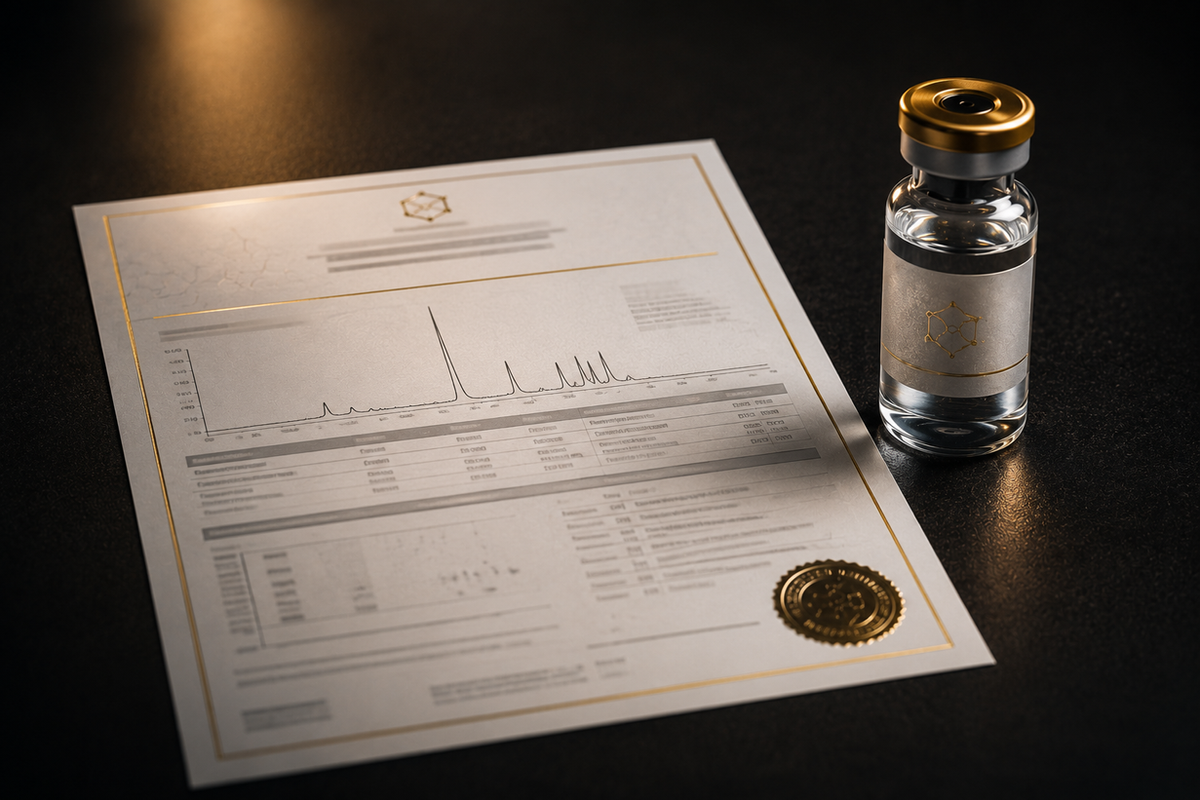
KPV is a synthetic tripeptide — Lysine-Proline-Valine — the C-terminal fragment of α-melanocyte-stimulating hormone (α-MSH). It is studied because much of the anti-inflammatory activity of the full α-MSH hormone is retained in this short three-amino-acid tail, without the pigmentary effects of the parent molecule.
Everything below is provided for research context only. This is a laboratory research compound — not a medicine, and nothing here is medical or dosing advice.
What Is KPV?
KPV corresponds to residues 11–13 of α-MSH. It is one of the smallest peptides studied for immune and inflammatory signaling, which also makes it inexpensive and stable relative to larger peptides.
Specifications
- Class: synthetic anti-inflammatory tripeptide, C-terminal fragment of α-MSH
- Sequence: Lys-Pro-Val (KPV) · CAS 67727-97-3
- Format: lyophilized powder, reconstituted with bacteriostatic water for research
- Research focus: inflammatory signaling, gut and skin models
How KPV Works in Research
Research attributes most of α-MSH’s anti-inflammatory message to the KPV sequence. In cell and animal models it is reported to dampen pro-inflammatory signaling:
- NF-κB pathway: reduced activation of NF-κB, a master regulator of inflammatory gene expression.
- Cytokines: lowered production of pro-inflammatory mediators in irritant/allergic and intestinal models.
- Transport: in the gut, KPV is reported to be taken up via the PepT1 transporter, concentrating its effect in intestinal epithelial cells.
Where KPV Sits in Research
KPV is studied in models of inflammatory bowel disease, dermatitis, and other immune-mediated conditions, and it is a component of multi-peptide research blends such as KLOW, alongside GHK-Cu, BPC-157, and TB-500.
Handling in the Lab
- Ships as a lyophilized (freeze-dried) powder; reconstitute with bacteriostatic water using aseptic technique.
- Store the sealed powder cold and dark (long-term at -4°F); once reconstituted keep refrigerated at 36–46°F and use within a short window.
- Minimize freeze-thaw cycles and vial punctures.
- Judge quality by the lot-matched Certificate of Analysis (HPLC purity, mass-spec identity), not the label.
Frequently Asked Questions
What is KPV?
KPV is a synthetic tripeptide (Lysine-Proline-Valine), the C-terminal fragment of α-MSH, studied for anti-inflammatory activity. It is supplied strictly for laboratory research use only.
How does KPV work in research?
In cell and animal models KPV is reported to reduce NF-κB activation and pro-inflammatory cytokine production, mirroring the anti-inflammatory activity of the parent hormone α-MSH. These are research findings, not medical claims.
What is the KPV peptide sequence?
Lysine-Proline-Valine (Lys-Pro-Val), corresponding to residues 11–13 of α-MSH. CAS 67727-97-3.
Is KPV the same as GHK-Cu?
No. KPV is an α-MSH-derived anti-inflammatory tripeptide; GHK-Cu is a separate copper-binding peptide. They are sometimes studied together in blends such as KLOW.
Is KPV approved for human use?
No. KPV is a research compound supplied for laboratory use only — not for human or veterinary use, and nothing here is medical advice.
References
Peer-reviewed research and recognized sources supporting the statements above, provided for research context only — not medical advice.
- Brzoska T, et al. α-MSH and related tripeptides: biochemistry, antiinflammatory and protective effects. Endocr Rev. View source →
- Dalmasso G, et al. PepT1-mediated tripeptide KPV uptake reduces intestinal inflammation. View source →
Research-grade KPV — third-party tested, certificate of analysis per lot, same-day US shipping.
Shop research-grade KPV →FOR LABORATORY AND RESEARCH USE ONLY. Golden State Bio supplies research-use-only chemicals for qualified researchers. Not for human or veterinary use; not evaluated by the FDA. Nothing here is medical advice.